
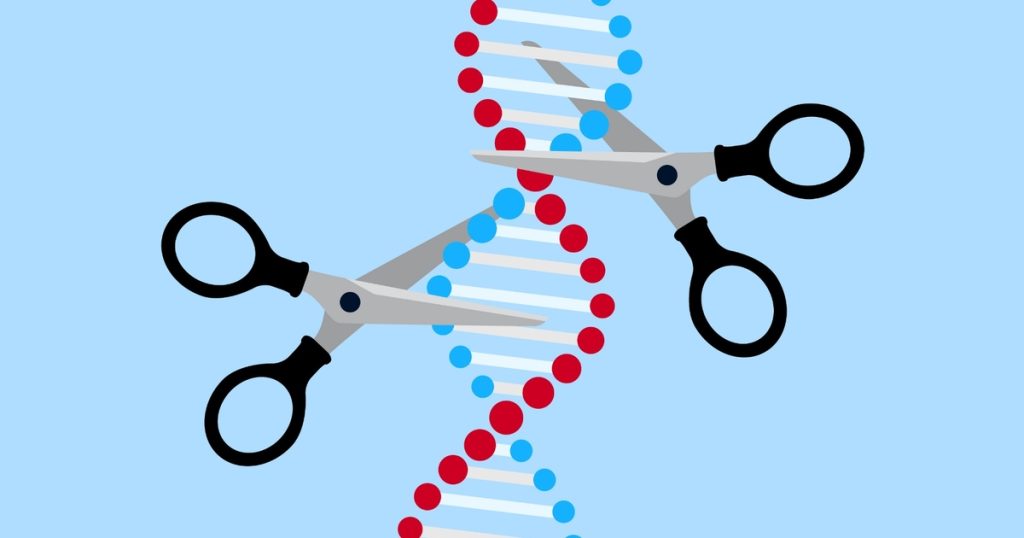
Gene editing technology has revolutionized the field of biology, making it possible to precisely edit the DNA of living organisms. This technology has the potential to revolutionize medicine, agriculture, and other industries.
What is gene editing technology?
Gene editing technology allows scientists to make precise changes to the DNA of living organisms. This can be done to correct genetic mutations that cause disease, to introduce new genes into cells, or to knock out genes that are not needed.
There are a number of different gene editing technologies, but the most widely used is CRISPR-Cas9. CRISPR-Cas9 is a system that uses a protein called Cas9 to cut DNA at a specific location. Once the DNA is cut, scientists can insert, delete, or replace DNA sequences.
What are the latest advances in gene editing technology?
Gene editing technology is advancing rapidly. Some of the latest advances include:
- New Cas9 variants: Scientists have developed new Cas9 variants that are more specific and efficient than the original Cas9 protein. This has made gene editing more reliable and safer.
- Prime editing: Prime editing is a new gene editing technology that allows scientists to make precise changes to DNA without creating double-stranded breaks. This makes prime editing a safer and more versatile gene editing technology than CRISPR-Cas9.
- Base editing: Base editing is another new gene editing technology that allows scientists to make precise changes to DNA without creating double-stranded breaks. Base editing can be used to correct genetic mutations that cause disease.
- Gene editing in vivo: Scientists have developed ways to deliver gene editing tools to cells and tissues inside living animals. This has made it possible to use gene editing to treat diseases in vivo.
What are the potential applications of gene editing technology?
Gene editing technology has the potential to revolutionize medicine, agriculture, and other industries. Some of the potential applications of gene editing technology include:
- Treating diseases: Gene editing technology can be used to treat diseases caused by genetic mutations, such as cystic fibrosis, sickle cell disease, and cancer.
- Improving crop yields: Gene editing technology can be used to improve the nutritional value, yield, and pest resistance of crops.
- Developing new biofuels: Gene editing technology can be used to develop new microorganisms that can produce biofuels more efficiently.
- Creating new livestock breeds: Gene editing technology can be used to create new livestock breeds with desirable traits, such as increased milk production or resistance to disease.
What are the challenges of gene editing technology?
While gene editing technology has the potential to revolutionize many industries, there are a number of challenges that need to be addressed. One challenge is the potential for off-target effects. Off-target effects occur when gene editing tools unintentionally cut DNA at the wrong location. This can lead to unintended consequences, such as cancer.
Another challenge is the ethical implications of gene editing technology. For example, gene editing technology could be used to create designer babies with certain traits. This raises a number of ethical questions, such as who should have access to gene editing technology and what traits are considered to be desirable.