
Throughout history, there have been many pandemics that have caused widespread illness and death. Some of the most notable pandemics include:
- Black Death (1346-1353): The Black Death was a bubonic plague pandemic that killed an estimated 75-200 million people, or one-third to one-half of the European population.
- Plague of Justinian (541-542): The Plague of Justinian was another bubonic plague pandemic that killed an estimated 25 million people, or one-sixth of the world’s population.
- Antonine Plague (165 AD): The Antonine Plague was a smallpox pandemic that killed an estimated 5 million people.
- Spanish Flu (1918-1920): The Spanish Flu was an influenza pandemic that killed an estimated 20-50 million people, or 3-5% of the world’s population.
- HIV/AIDS Pandemic (1981-present): The HIV/AIDS pandemic is a global pandemic of HIV/AIDS that has caused an estimated 36.3 million deaths since the beginning of the pandemic.
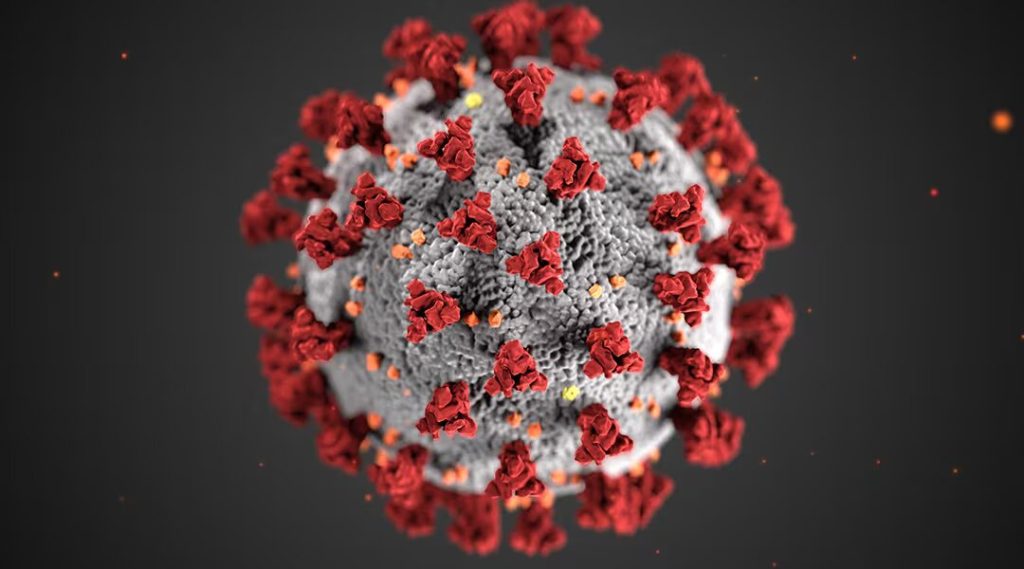
- COVID-19 Pandemic (2019-present): The COVID-19 pandemic is a global pandemic of COVID-19, caused by the SARS-CoV-2 virus. As of October 21, 2023, the pandemic has caused over 620 million confirmed cases and over 6.5 million deaths.
Pandemics can have a devastating impact on individuals, families, and communities. They can cause widespread illness and death, disrupt economic activity, and lead to social unrest.
The COVID-19 pandemic is the most recent pandemic to affect the world. The virus was first identified in Wuhan, China in December 2019 and quickly spread to other countries. The World Health Organization declared the COVID-19 pandemic on March 11, 2020.
The COVID-19 pandemic has had a significant impact on the world. It has caused widespread illness and death, disrupted economic activity, and led to social unrest. The pandemic has also exacerbated existing inequalities and highlighted the need for global cooperation to address global health challenges.
What can be done to prevent future pandemics?
There are a number of things that can be done to prevent future pandemics. These include:
- Investing in public health infrastructure and surveillance systems to detect and respond to outbreaks early.
- Promoting global cooperation on disease prevention and control.
- Increasing access to vaccines and other treatments for infectious diseases.
- Addressing the underlying social and economic factors that contribute to the spread of infectious diseases.
By taking these steps, we can help to reduce the risk of future pandemics and protect the health and well-being of people around the world.