
Drug discovery is a complex and expensive process. It can take 10-15 years and cost billions of dollars to develop a new drug and bring it to market.
However, there is a growing movement to transform the drug discovery process. New technologies and approaches are emerging that have the potential to make drug discovery faster, cheaper, and more efficient.
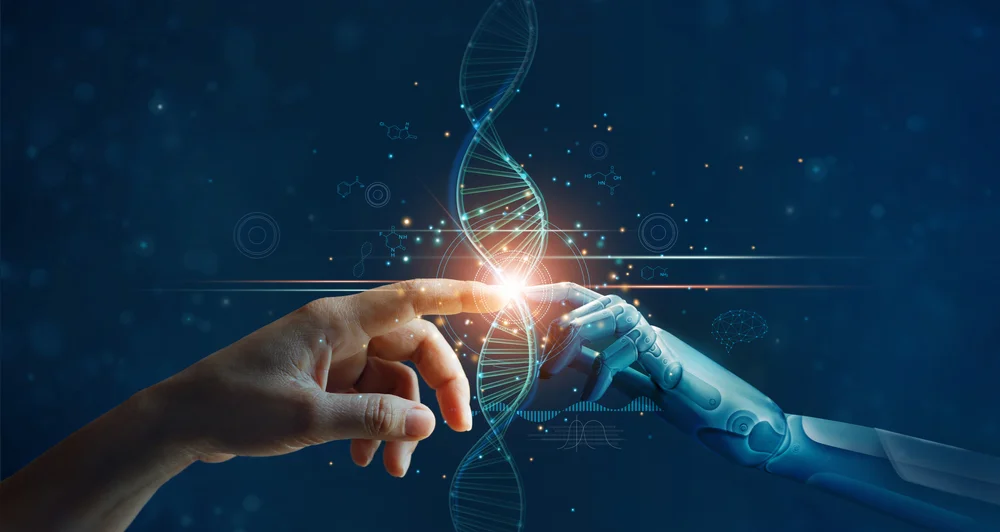
One of the most promising new technologies is artificial intelligence (AI). AI can be used to analyze large datasets of biological and medical data to identify new drug targets and design new drugs. AI can also be used to predict the safety and efficacy of drugs before they are tested in humans.
Another promising new technology is gene editing. Gene editing can be used to create animal models of disease and to develop new cell therapies. Gene editing can also be used to correct genetic mutations that cause disease.
In addition to new technologies, there is also a growing movement towards more open and collaborative drug discovery. This is leading to the development of new partnerships between pharmaceutical companies, academic institutions, and non-profit organizations.
The future of drug discovery is bright. New technologies and approaches are emerging that have the potential to make drug discovery faster, cheaper, and more efficient. This is good news for patients, who will have access to new and innovative treatments sooner.
Here are some specific examples of how new technologies and approaches are transforming drug discovery:
- AI-powered drug discovery: AI is being used to identify new drug targets, design new drugs, and predict the safety and efficacy of drugs before they are tested in humans. For example, the company DeepMind used AI to develop a new drug for Alzheimer’s disease that has shown promise in preclinical studies.
- Gene editing: Gene editing is being used to create animal models of disease, develop new cell therapies, and correct genetic mutations that cause disease. For example, the company CRISPR Therapeutics is using gene editing to develop a new cell therapy for sickle cell disease.
- Open and collaborative drug discovery: More and more pharmaceutical companies are partnering with academic institutions and non-profit organizations to accelerate drug discovery. For example, the company Eli Lilly has partnered with the University of California, San Francisco to develop new treatments for Alzheimer’s disease.
The future of drug discovery is exciting and full of potential. New technologies and approaches are emerging that have the potential to make drug discovery faster, cheaper, and more efficient. This is good news for patients, who will have access to new and innovative treatments sooner.